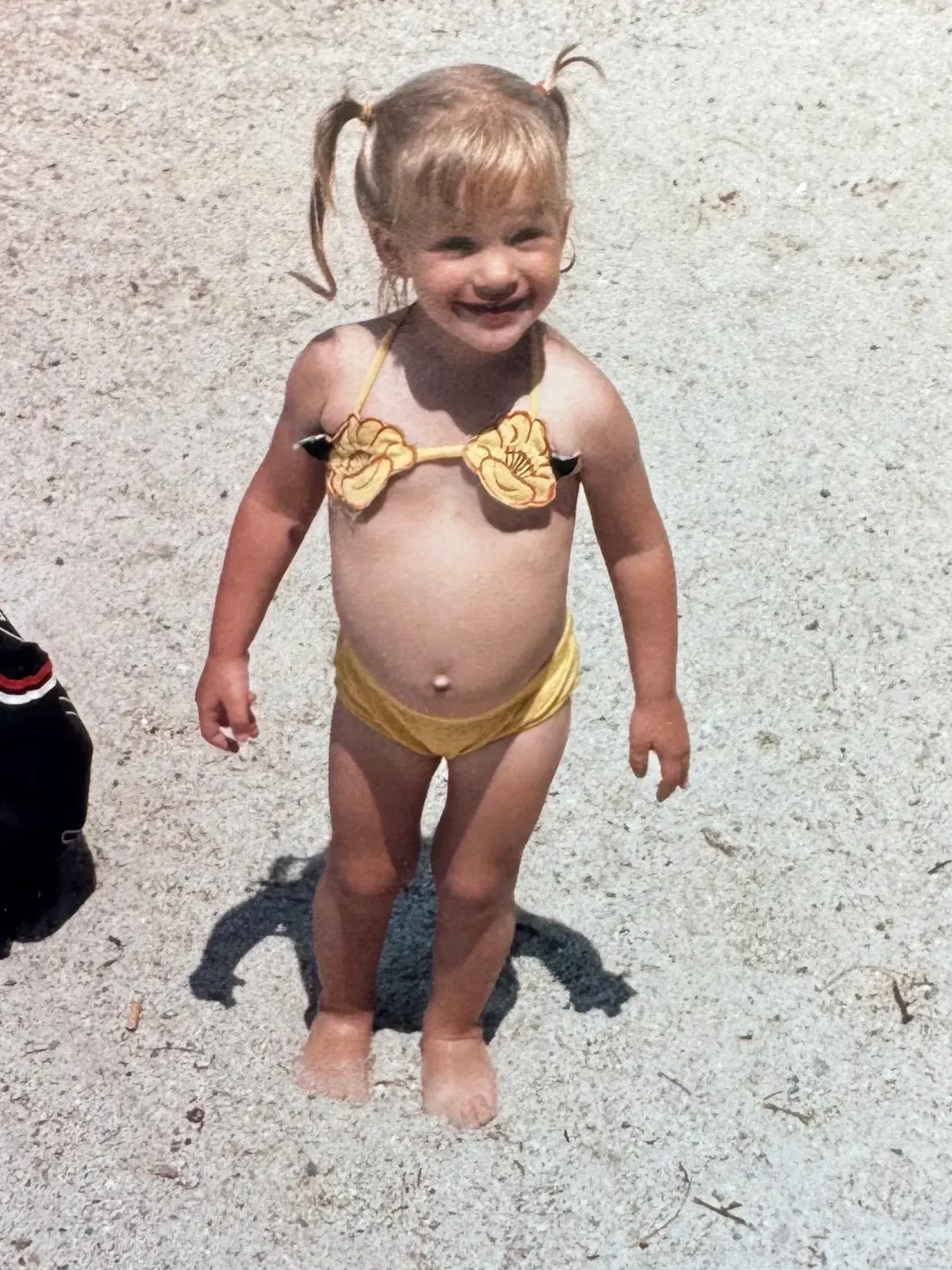
What does inner child healing mean?
Inner child healing is a way of understanding and caring for the younger parts of you that formed emotional responses during childhood. These parts may still influence how you respond to closeness, conflict, rest, needs, achievement, or uncertainty.
The phrase does not mean that you are literally becoming a child again. It points to emotional memories, protective beliefs, and ways of coping that began earlier and may still feel active in the present.
In short: inner child healing is not about blaming the past or reliving it endlessly. It is about helping the parts of you that learned to protect you discover that the present can be different.
“The part of you that learned to stay safe by staying small deserves to learn, slowly, that it is allowed to take up room now.”
How childhood patterns can appear in adult life
Many adult patterns make more sense when you look at the need they were originally trying to protect. A younger part may have learned to stay small, stay useful, stay agreeable, or stay alert because that once felt safer.
- People-pleasing: trying to prevent rejection by anticipating everyone else's needs.
- Fear of abandonment: bracing for people to leave, withdraw, or stop caring.
- Perfectionism: believing that being exceptional is the safest way to be valued.
- Emotional shutdown: disconnecting when feelings or conflict feel too intense.
- Self-abandonment: overriding your own needs to maintain connection or approval.
- Difficulty trusting yourself: second-guessing your feelings, decisions, and inner signals.
Recognising a pattern is not the same as diagnosing yourself. It is simply an invitation to become curious about what your inner world may be trying to communicate.
What inner child healing is not
Inner child healing is not a promise to erase difficult memories, force forgiveness, or find one perfect explanation for everything you experience. It is not a replacement for therapy, medical care, or crisis support.
It also does not require you to blame your caregivers or create a dramatic story about your childhood. The work can be gentle and grounded: noticing what happens inside you now, offering yourself steadier support, and making room for needs that were previously ignored.
Key takeaway
Inner child healing is not about reliving the past. It is about giving yourself, in the present, the care and safety that younger parts of you needed.
How to begin gently
- Notice the moment. When a reaction feels bigger than the situation, pause before judging yourself.
- Name what you feel. Try simple language such as scared, unseen, pressured, angry, or alone.
- Ask what you need. The answer may be rest, reassurance, space, a boundary, or support from another person.
- Respond with consistency. Self-trust grows when your actions begin to match the care you say you need.
- Move at a tolerable pace. You do not need to open every memory or push through overwhelm to make progress.
How inner child healing connects with emotional safety
Insight can help you understand a pattern, but emotional safety is often what allows the pattern to soften. When your inner world expects criticism, pressure, or abandonment, even positive change can feel threatening.
Inner child work therefore begins with relationship: listening without immediately correcting, allowing feelings without making them wrong, and learning to stay present with yourself. Over time, these small experiences can create a different foundation for self-trust.
“Insight explains the pattern. Emotional safety is what allows it to soften.”
Where to continue
For a deeper look at the foundation behind this approach, read the guide to emotional safety. If your interest is in practical self-support, continue with the guide to reparenting yourself.
Violet Vale's Rootspell is Megan Dupuis's inner child foundation work for women who want guided support with emotional safety, survival patterns, and self-trust.
Frequently Asked Questions
What is inner child healing?
Inner child healing is a way of reconnecting with younger parts of yourself that may still carry old emotional patterns. It focuses on compassionate awareness, emotional safety, and building a kinder relationship with your inner world.
What are common signs that inner child work may help?
People often explore inner child work when they notice people-pleasing, fear of abandonment, emotional overwhelm, harsh self-criticism, difficulty receiving care, shutdown, or repeating relationship patterns. These experiences are not a diagnosis, and this guide is not a substitute for clinical care.
How do I start inner child healing?
Start by noticing a present-day reaction with curiosity, naming the feeling underneath it, and asking what support or boundary you need. Small, consistent acts of self-care are more sustainable than forcing yourself into painful memories.
Can inner child healing bring up difficult emotions?
It can. Move slowly and stay within what feels manageable. You do not need to revisit every memory to make progress, and licensed clinical support is important when emotions feel overwhelming or unsafe.
Is inner child healing therapy?
Inner child healing at Violet Vale is spiritual healing and personal growth support, not therapy, psychotherapy, counselling, or licensed mental health treatment. If you are in crisis or need clinical support, please contact a licensed professional.